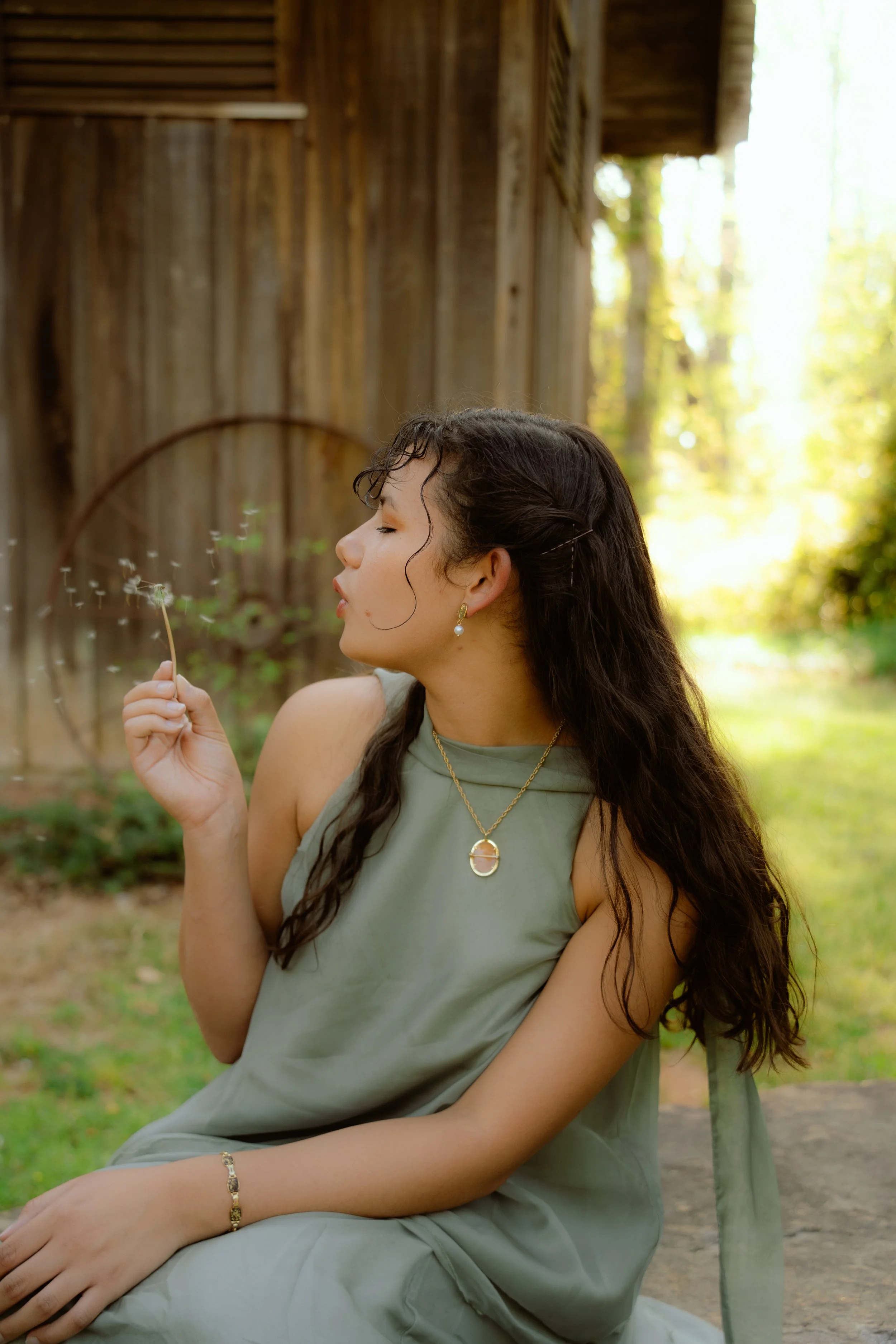
DARCY HSIEH
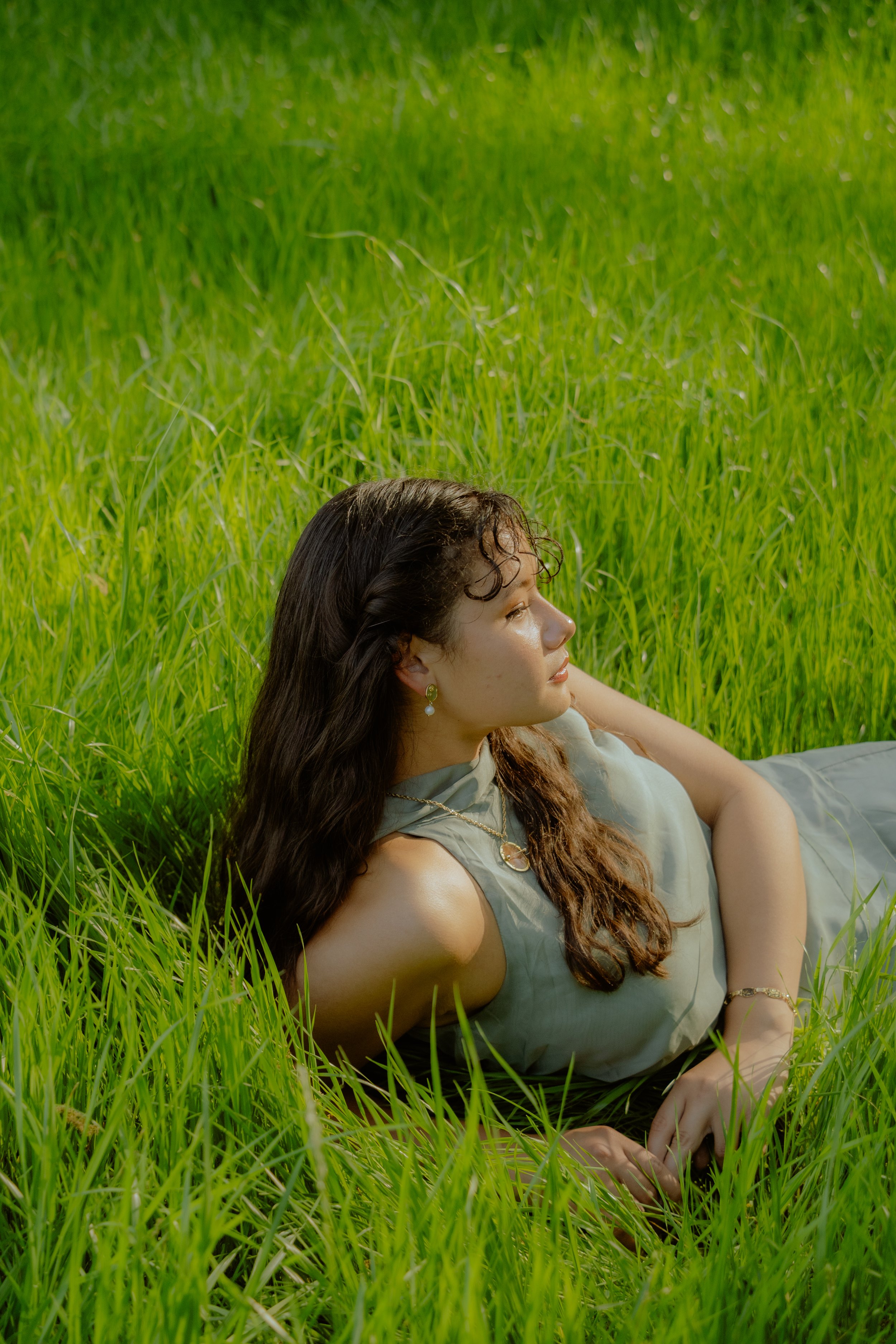
Whimsy, Wonder, and the Human Condition
by Kaylie Sheriff
Known and loved among her peers as a hard worker and creative thinker, Darcy Hsieh has always had a passion for writing. As an English and Communications double major, she finds enjoyment in writing both professionally and recreationally, though her heart lies with creative writing. She shares, “The way the written word moves across paper and across time, I just adore it.” She declares that such endearment for her craft will never change. She adds, “It’s one of the few times that you have the opportunity to really sit in your own thoughts, in your own originality and not have other voices chiming in. It’s just purely yourself on paper.”
When asked what her words say about her, Darcy explains that her work seeks to answer deep questions concerning human nature and the human condition. She says, “I’m inspired by people. I think that people are just so fascinating, and we’re so quick to overlook others in our own hubbub of life. It’s easy not to listen to other people’s stories, but there’s just so much to learn through people and the experiences that they’ve gone through and how they came out of it.” Darcy also shares that she draws inspiration from authors Susanna Clarke, Edgar Allan Poe and Erin Morgenstern, noting the intentional way they personify their characters. In “The Cask of Amontillado,” Darcy admires Poe’s ability to capture his audience in such a short amount of time. She says, “It’s so short, but it’s the type of story that sticks with you. That’s what I want to create with my words: something that feels too hard to look away from.” Darcy aims to create a story that draws her audience in out of curiosity while walking the line between fantasy and reality.
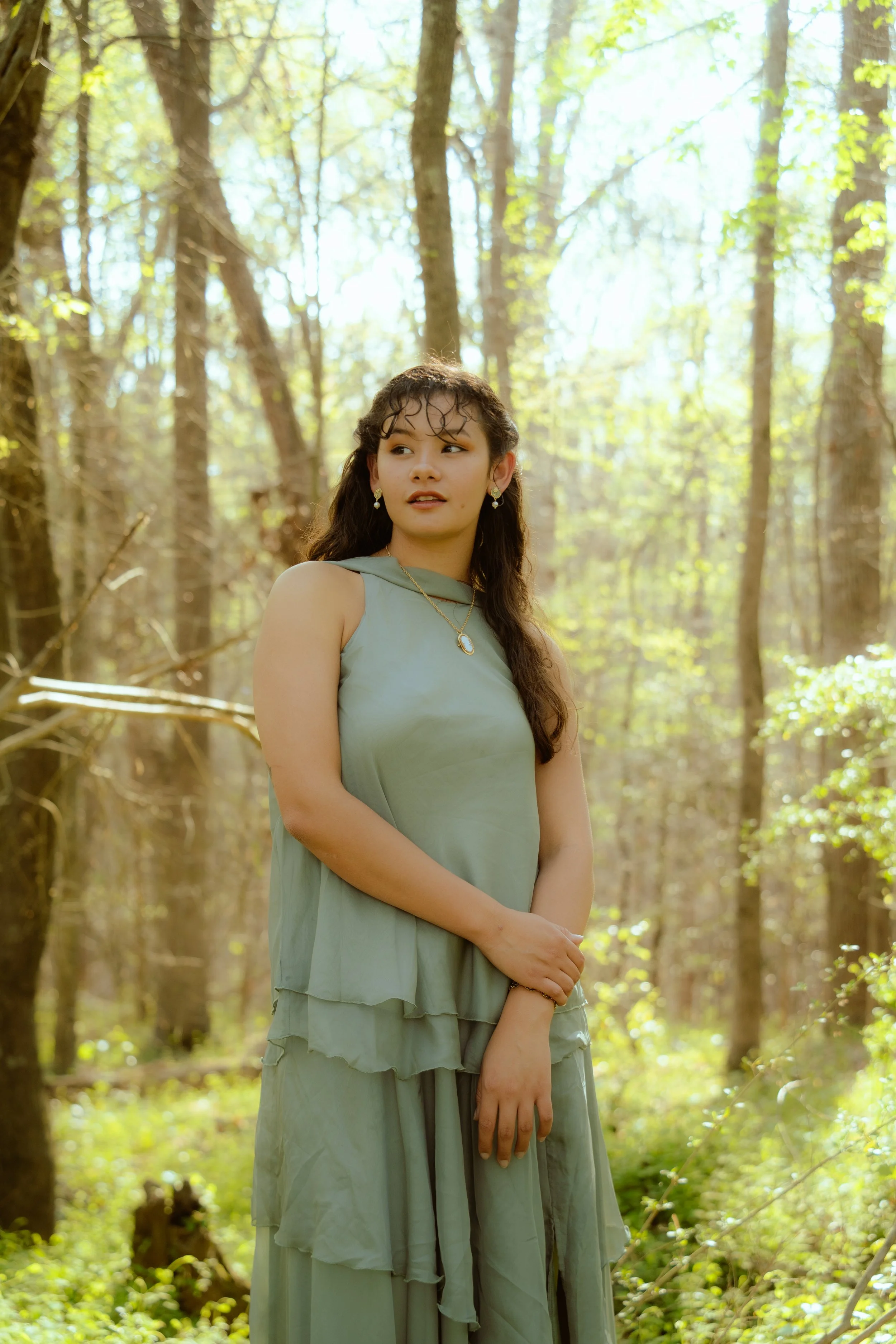
When speaking on the challenges of writing—writer’s block in particular—Darcy encourages other writers to “go back to the books … whenever I get stuck, and I don’t know how to write, I just have to go pick up a good book, whether it’s a new one or one I’ve read many times.” She continues, “You’re never going to get better at your craft if you don’t intake any wonderful craft.” She notes the nuance in consuming but not mimicking, saying, “I think it’s important to turn back to your own craft, look at your own words and figure out what does and doesn’t work while staying true to yourself. I think that’s pretty challenging, because you want your works to be good, so naturally you see good works and you want to try and replicate that. But I think there’s a way to do that without losing your own style and tone.”
Though Darcy is a junior, she is already thinking ahead to postgrad plans. She intends to go abroad for graduate school to pursue creative writing. She states, “I’ve always wanted to write a novel. For me, that’s an endurance task. Recently, I ran a half marathon, and that took six months of training, and so I have to take this mentality off of myself of ‘oh it’s just gonna come naturally because I want to write a book.’ No, it’s going to be something that you build and that you have to constantly evolve until it becomes the thing that you’ve dreamed of.”
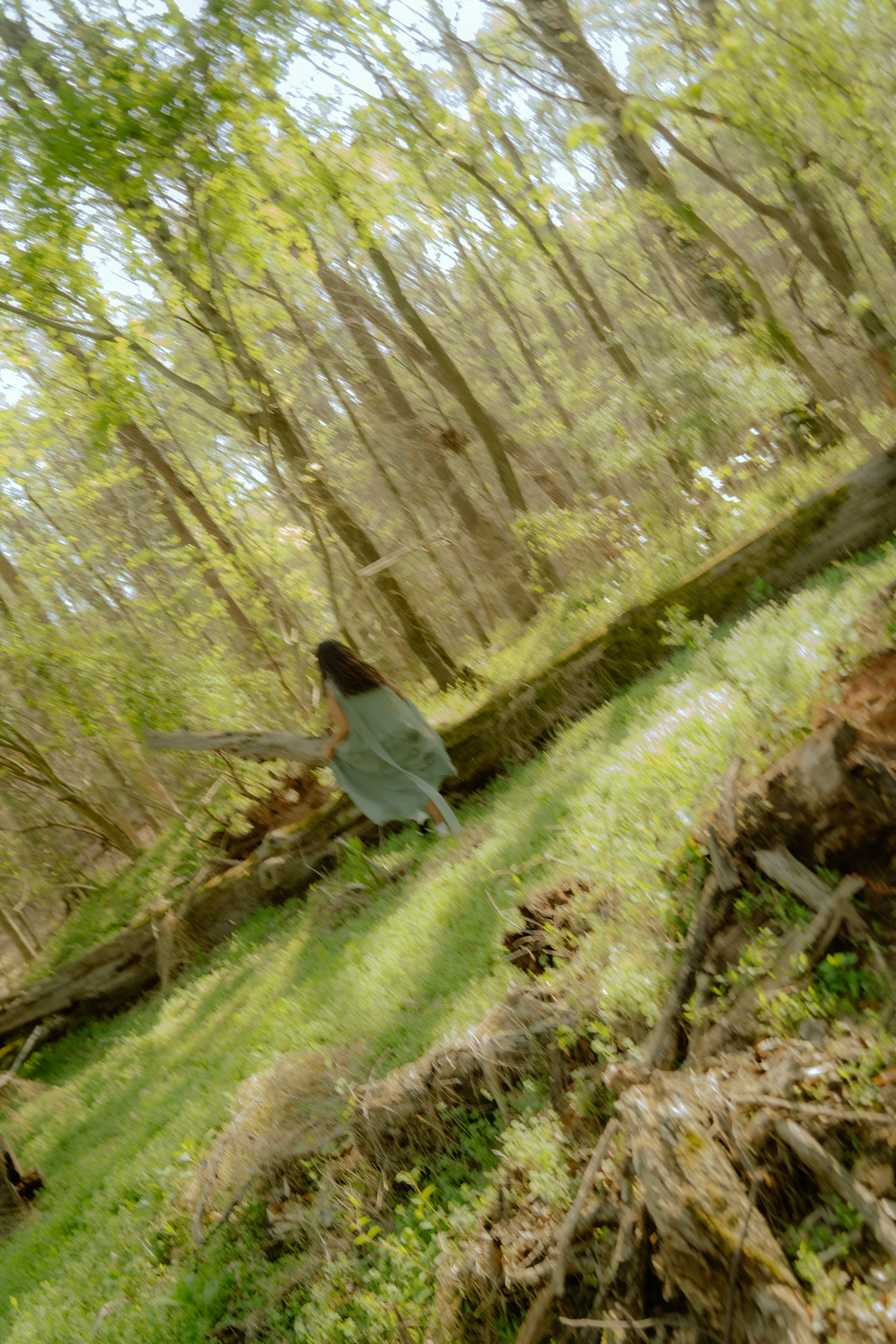
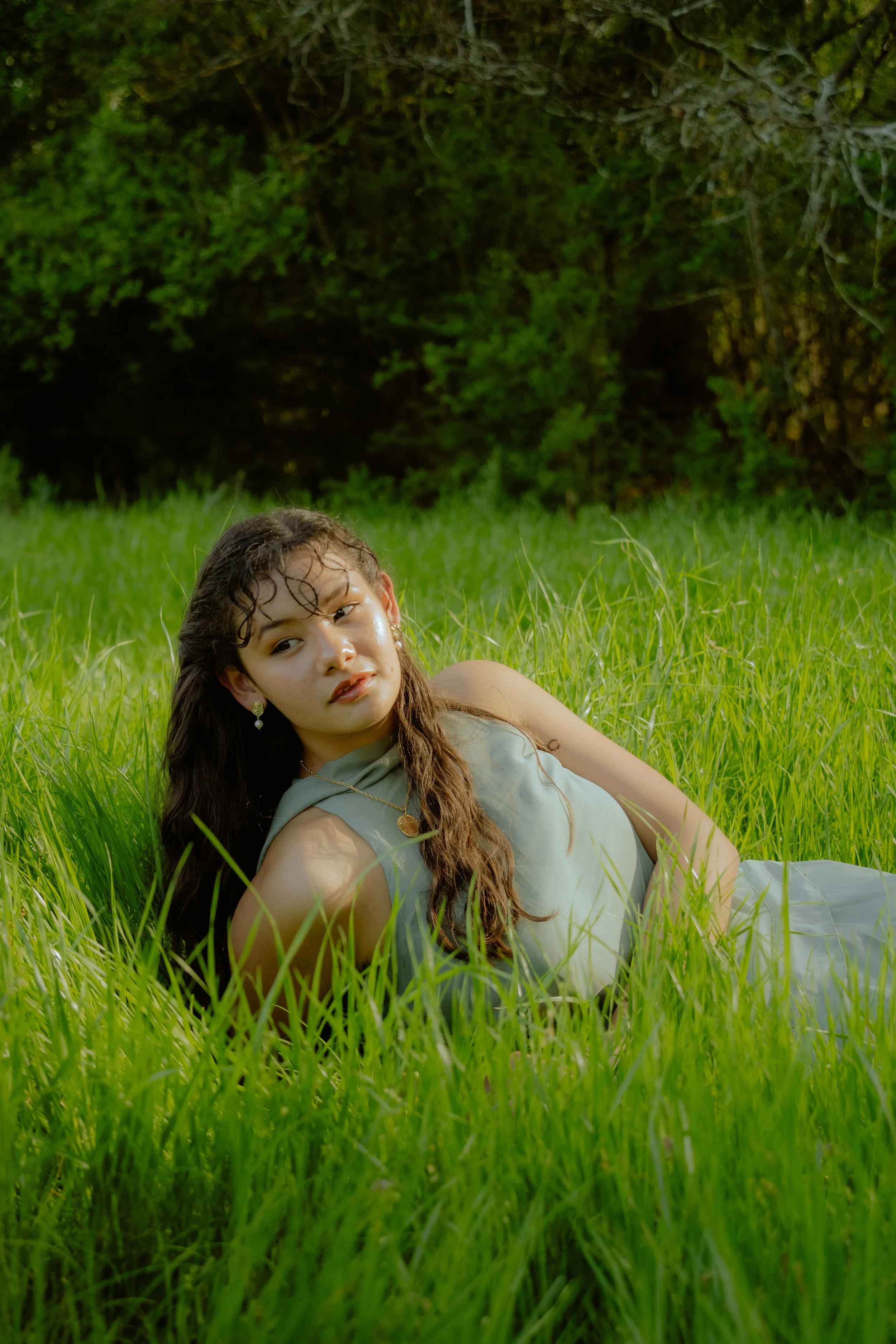
Nature is also incredibly inspiring to Darcy. She shares that she recently got glasses, and with renewed sight came a moment of epiphany: “Something that I first noticed was how defined the trees are … the way that trees fissure and crack, they’re just so intricate and so cool. And so there’s a story in there. It might just look like a tree to somebody, but if you peel back the bark, if you peel back the layers, there’s so much to pull out of that.”
In terms of her writing process, Darcy begins her longer works with what she calls, “a big fat word vomit,” where she writes out what she wants to accomplish through whatever she’s about to write, intended character journeys, and emotions she wants to invoke. She then asks herself, “What would the plot need to look like for me to accomplish that?” and goes from there. For shorter pieces, she starts with a thought, feeling, or image, and says, “okay, this is what the story’s gonna be.” Darcy talks about how short stories are harder to capture than longer works, explaining, “It has to grab you … with a novel, you have so much time to make it matter to a person, whereas with short stories, you only have, you know, three to ten pages to make your words matter.” For poetry, oftentimes Darcy will start with a single word and a poem will evolve from there. She particularly admires the stream of consciousness style as it “feels very human.”