
AUBREY PARTAIN
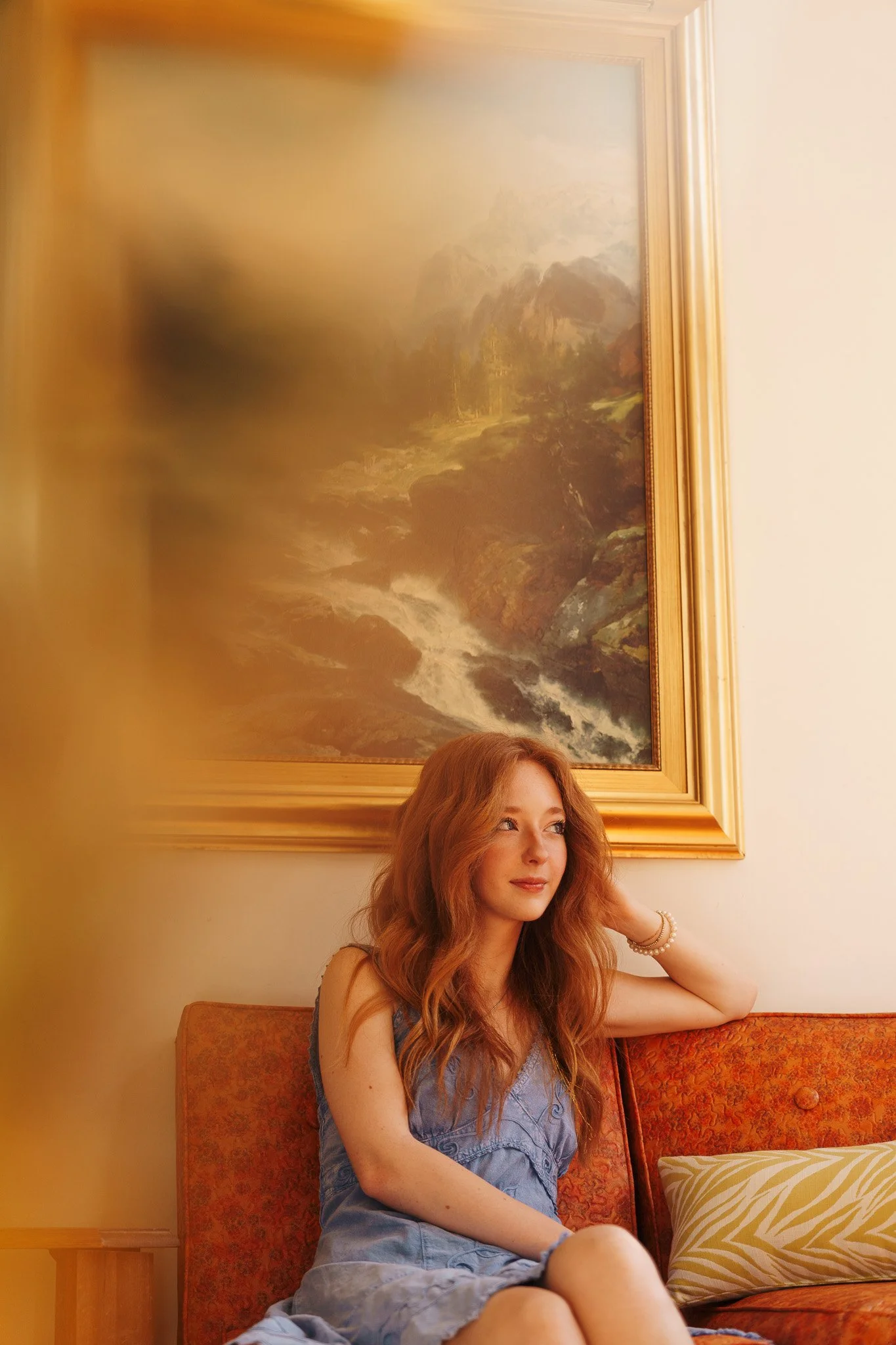
Embellishing the Ordinary
by Darcy Hsieh
From the minutiae of an acorn cap to the expansive mastery of the galaxy, beauty is innate to the universe around us. It is intertwined with our lives so greatly that we, in our human error, are often too blind to see it; too blind or too caught up in our own urgency that we blur past the beautiful things that are continually in our grasp. We are fools.
Aubrey Partain, a junior graphic design student, highlights the gravity of what it means to deem something ordinary, and encourages us all to find wonder enough to discover what lies beyond the initial glance. Her works featured in the journal are but few in a collection of pieces aimed to peel away the edges of assumption by bringing her audience face to face with undeniable art in the commonplace. The way she paints it, “Art and design are everywhere, which is the cool thing about being a creator, you can really see it wherever you go.”
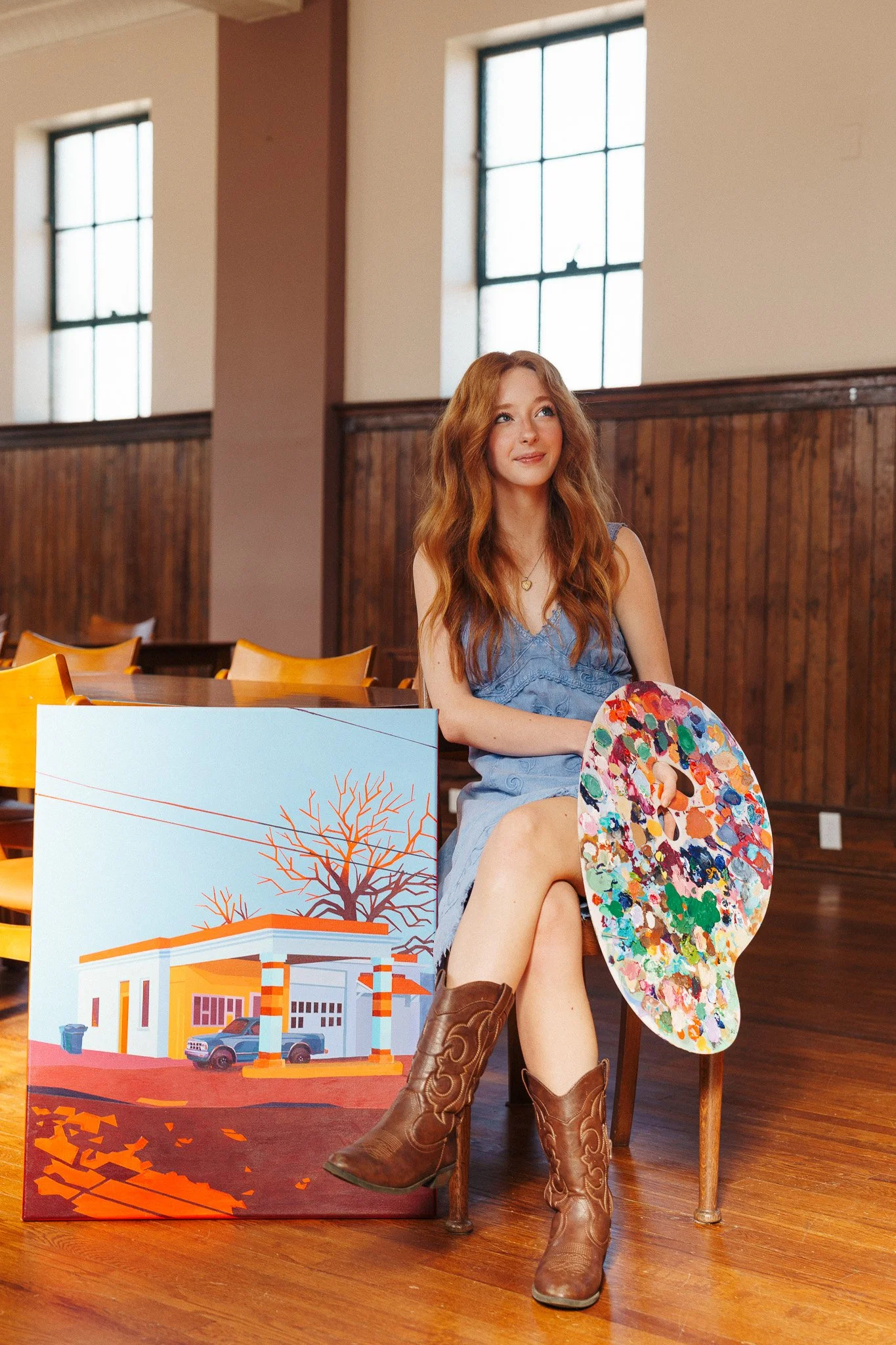
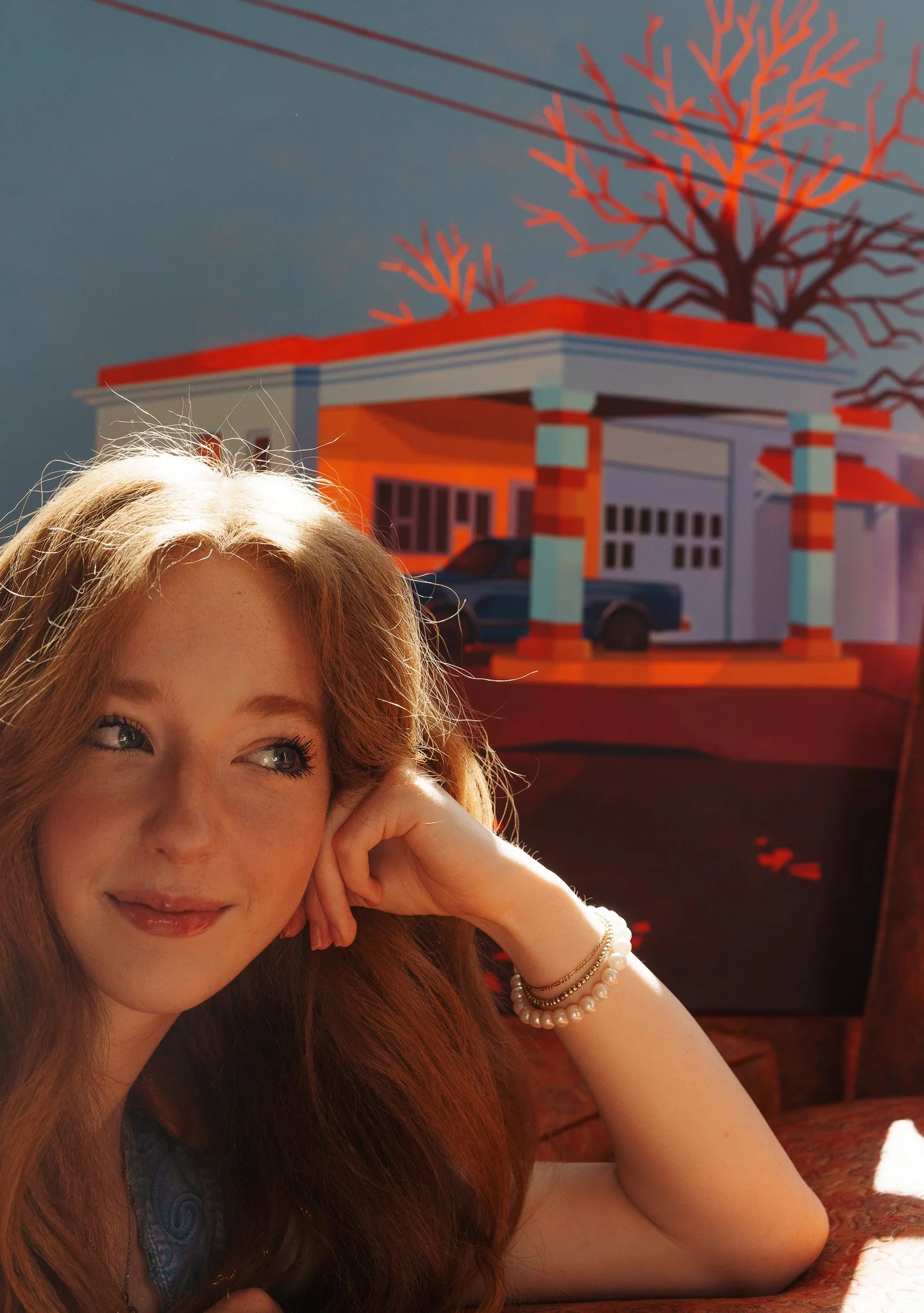
Though very successful in her medium, Aubrey is no stranger to artist’s block, a crippling hindrance that “puts you in a place where you don’t know what to do or where to start.” For Aubrey, it stems from an internalized pressure to create the piece that would be the greatest or would glorify God the most. To break out of this cycle, she reminds herself that not every piece that she creates has to be serious or perfect. “In reality, creating, in general, can glorify God.” If she finds herself in need of inspiration, she will either look to nature or history to pull her out of the mire. She loves to search for composition, beauty, and hope in the things that exist outside of the traditional idea of what is considered art, and “[make] those things that are considered dreary or ordinary or kinda gross, into something really beautiful.”
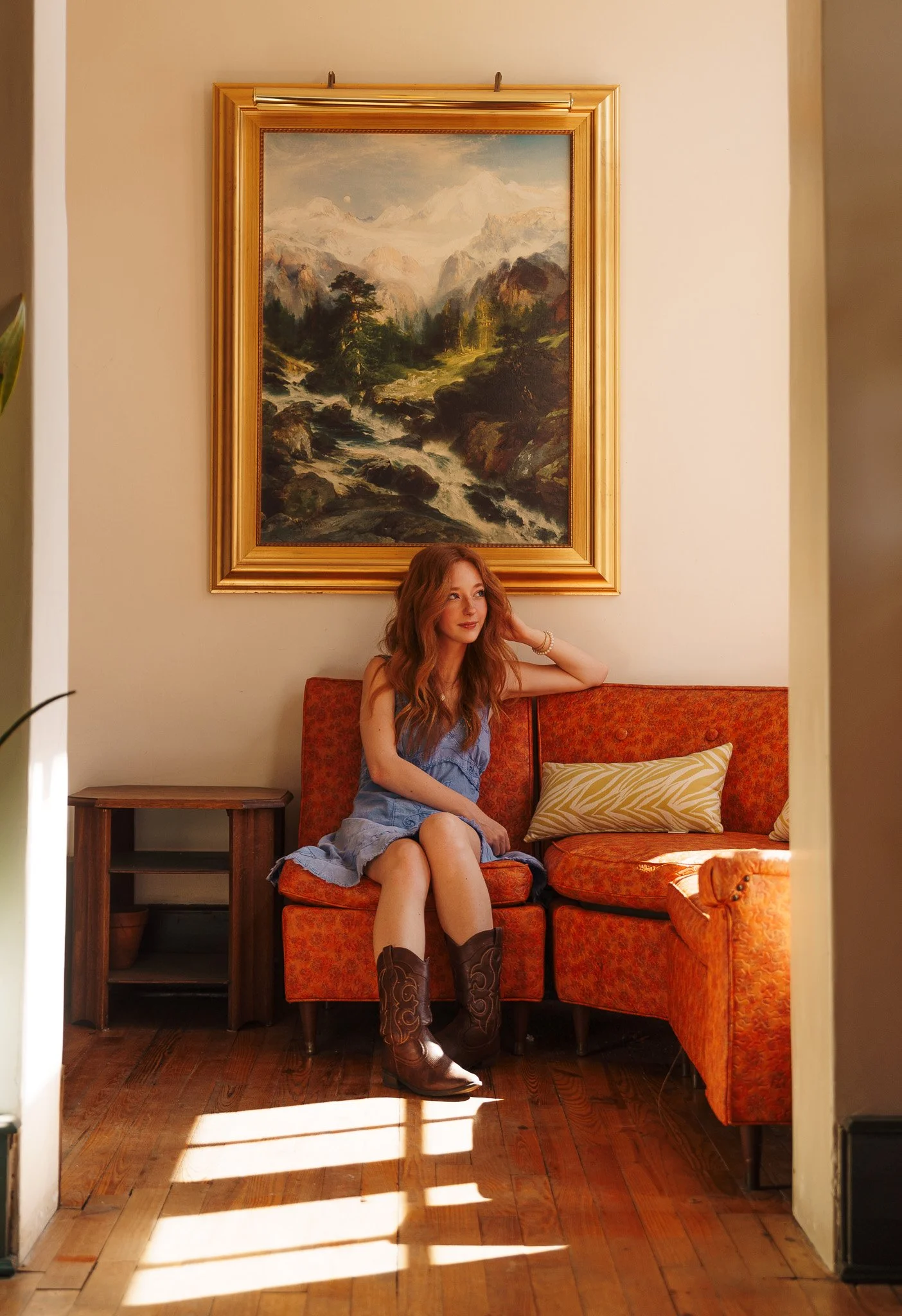
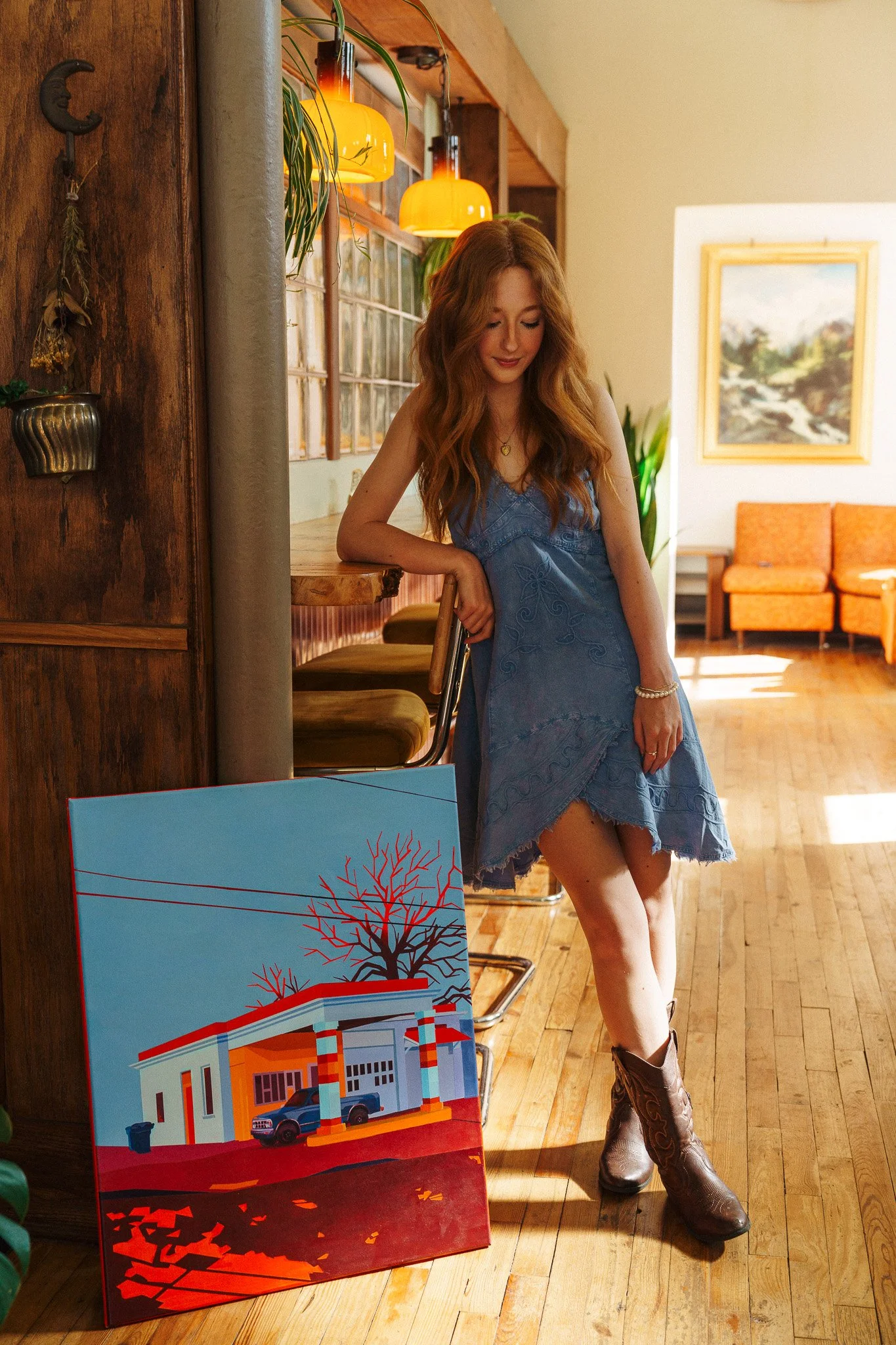
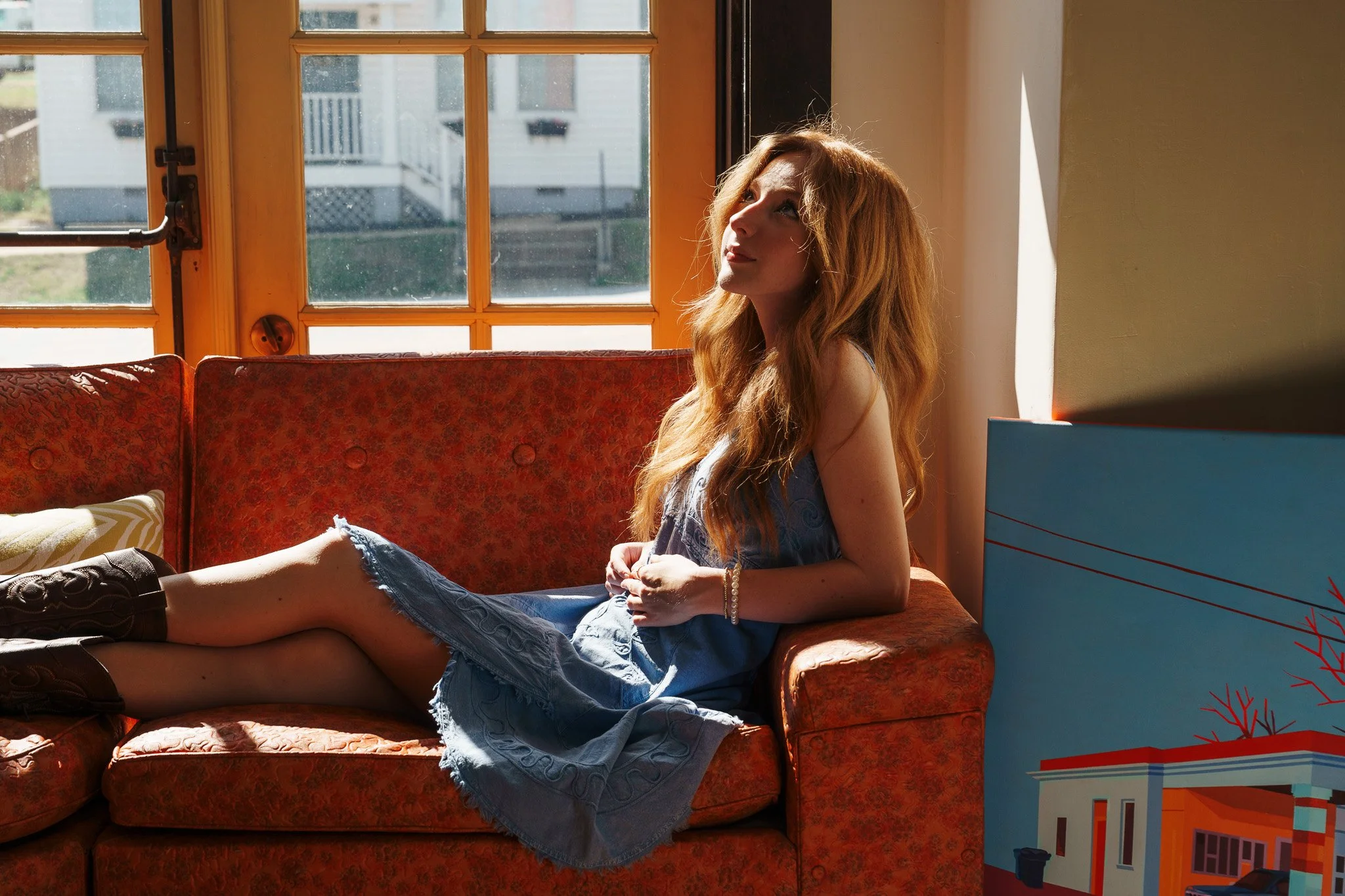
Even before Aubrey was given much access to the art world, the need to create had already taken a deep hold of her. She recalls accompanying her father to his job as a contractor when she was younger, where he would assign her to collect the shingles and fallen items of his craft around the construction zone. Instead of throwing them away, as instructed, she became quickly ensnared by the patterns and textures. Her father would return to find her creating letterforms and typefaces out of the scraps. Aubrey is inspired by everything that her father does, even though he doesn’t consider this of himself, she views his work as a contractor as his own form of artistry. Her father has taught her so much about discipline and design, and Aubrey desires to replicate the way that he glorifies God in the things he creates.
When asked to boil her art down into three words, Aubrey describes her works as “nostalgic, worship, and colorful.” She accredits her background for the lens that she now sees her world through, drawing inspiration from nostalgic items that correspond to memories of childhood. She captures in paint the parts of her youth that feel the most palpable. One of her favorite works in her collection is a painting of a bag of oranges that is directly tied to core moments with her father, sitting and peeling oranges together during lunch. Worship breaks through the brushstrokes of her art as Aubrey believes that the work she creates with her hands is a reflection of praise to the Lord. She views His creation as the greatest source of inspiration, “God is the ultimate creator; Even in the small things, like an acorn, there is beauty in everything.” And, of course, as a true artist, Aubrey’s passion for color seeps into the art she creates, exploring underpainting, color, and color theory to make the paint look as vibrant as possible.

From one artist to another, Aubrey advises these things: don’t be too hard on yourself, look around—be inspired by what is around you, and do not paint for anyone else. When you place a lot of pressure on yourself, you make it so much harder to accomplish any given project. She says, “It can feel like standing at the bottom of a hill, looking up at everything you have to do, but just take gradual steps.” The art you create becomes an extension of yourself, and Aubrey encourages her audience not to become the artist other people tell them to be. It’s important to stay true to yourself, “not necessarily feeling like you have to fit into a box of what people have told you what an artist is, or what a painter is, or a designer. Instead, think about what’s important to you, and what makes you you and what has shaped you along the way.”