ARTIST SPOTLIGHT
IVY LEAVES JOURNAL OF LITERATURE AND ART
EDITION 101
BY CLAUDIA SARMIENTO
FINDING PEACE IN THE PORTRAIT
AN INTERVIEW WITH ABIGAIL ST. CLAIR
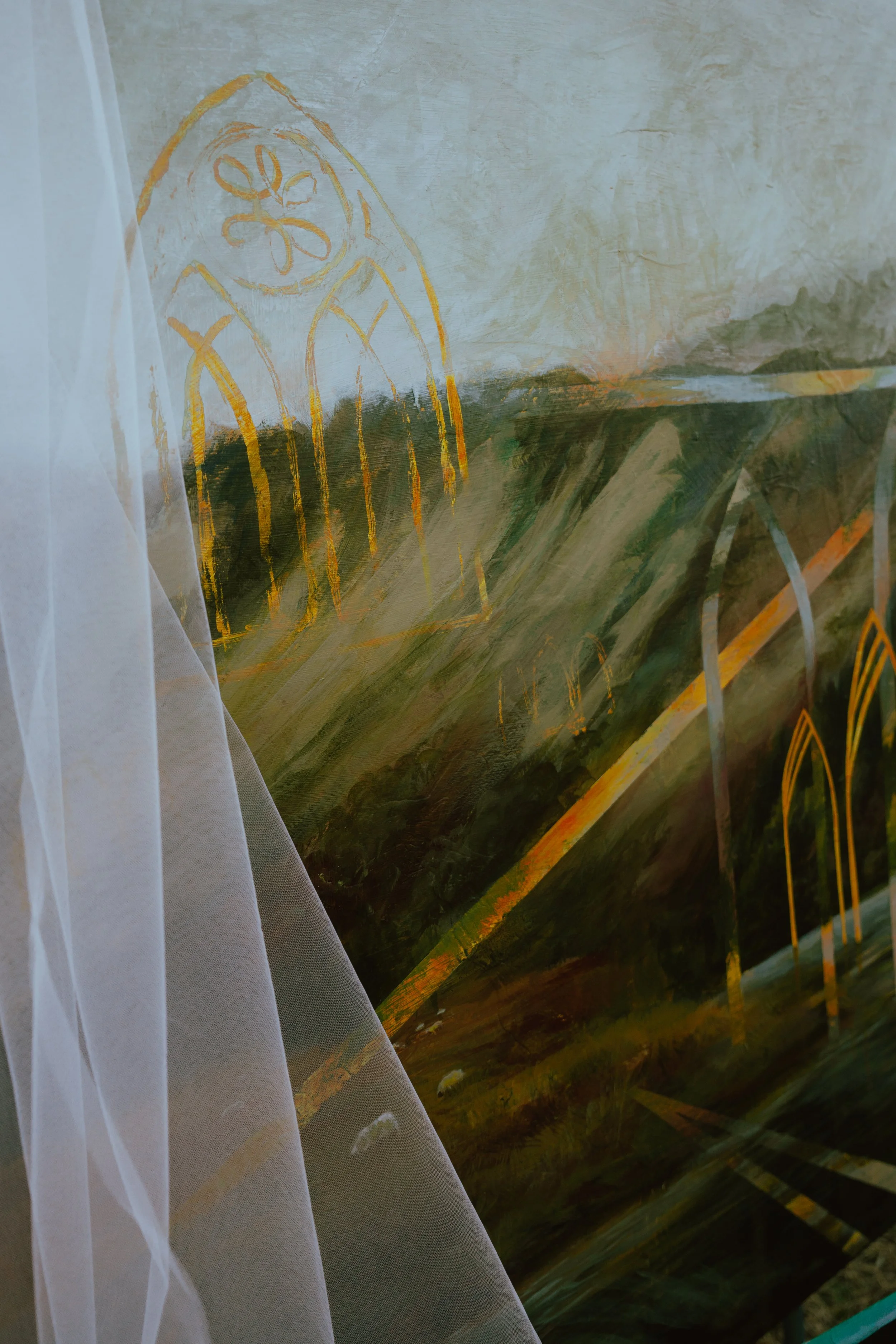

When working on a piece of art, a creative’s goal is to convey an emotion or message through their chosen medium. Abigail, while recognizing art can be interpreted in many ways, hopes that her art conveys a certain feeling. “Ultimately, I want it to feel peaceful when people look at it. I just want them to be peaceful and pleasing for viewing.” Along with the desire for her pieces to appear tranquil, Abigail wants her art to display her faith, a cornerstone of her life. “As I’m learning something about my faith, I’ll try to incorporate that into my work. That’s where certain Biblical themes in my work come from.” Abigail often uses her faith as a source of inspiration for her pieces, but she also finds it in many other areas of the world. “I can find it pretty much anywhere, whether it's people I’m talking to or places I go. I’ll go outside and go on a hike or take pictures of nature.”
Ultimately, Abigail’s dream is to teach at the collegiate level. “My dream job would be to teach a college painting class. I don’t really care if it’s Advanced Painting or Painting 1, I would be happy either way.” Much of her desire to become a college professor stems from her many mentors she has gained while attending Anderson University. Alongside her career as a professor, she hopes to continue creating and selling her work. Currently, she is planning to attend graduate school after completing her Bachelor of Arts in Painting and Drawing.
“Ultimately, I want it to feel peaceful when people look at [my art]. I just want them to be peaceful and pleasing for viewing.”

As an artist, rejection of your pieces is imminent, which can be difficult for any creative. Abigail’s advice on how to deal with rejection is simple, but important. “Everyone’s going to have a different opinion and that’s okay. At the end of the day, people can think what they want. And, sometimes, rejection is really good because it is helping you to be better and figure out how to improve your work.”
The tie between art and the world is inseparable. Art oozes into all aspects of life, leaving traces of itself in everything we do. In the same vein, pieces of our world have inspired artists to craft successful works and future greats to strive to create a piece beyond their wildest dreams. Religion, nature, architecture, and numbers have left their fingerprints all over the art that Abigail St. Clair crafts.
Born and raised in Michigan, Abigail and her family moved to South Carolina when she was 12 years old. Her love of art started at a young age. “I’ve been drawing since I was young. My sister would draw characters that were in a book she wrote. She taught me how to draw characters too. That’s how it all started.” Abigail fully owes her passion for art to her second oldest sister. “I really don’t think I would have gotten into art if it wasn’t for her.”
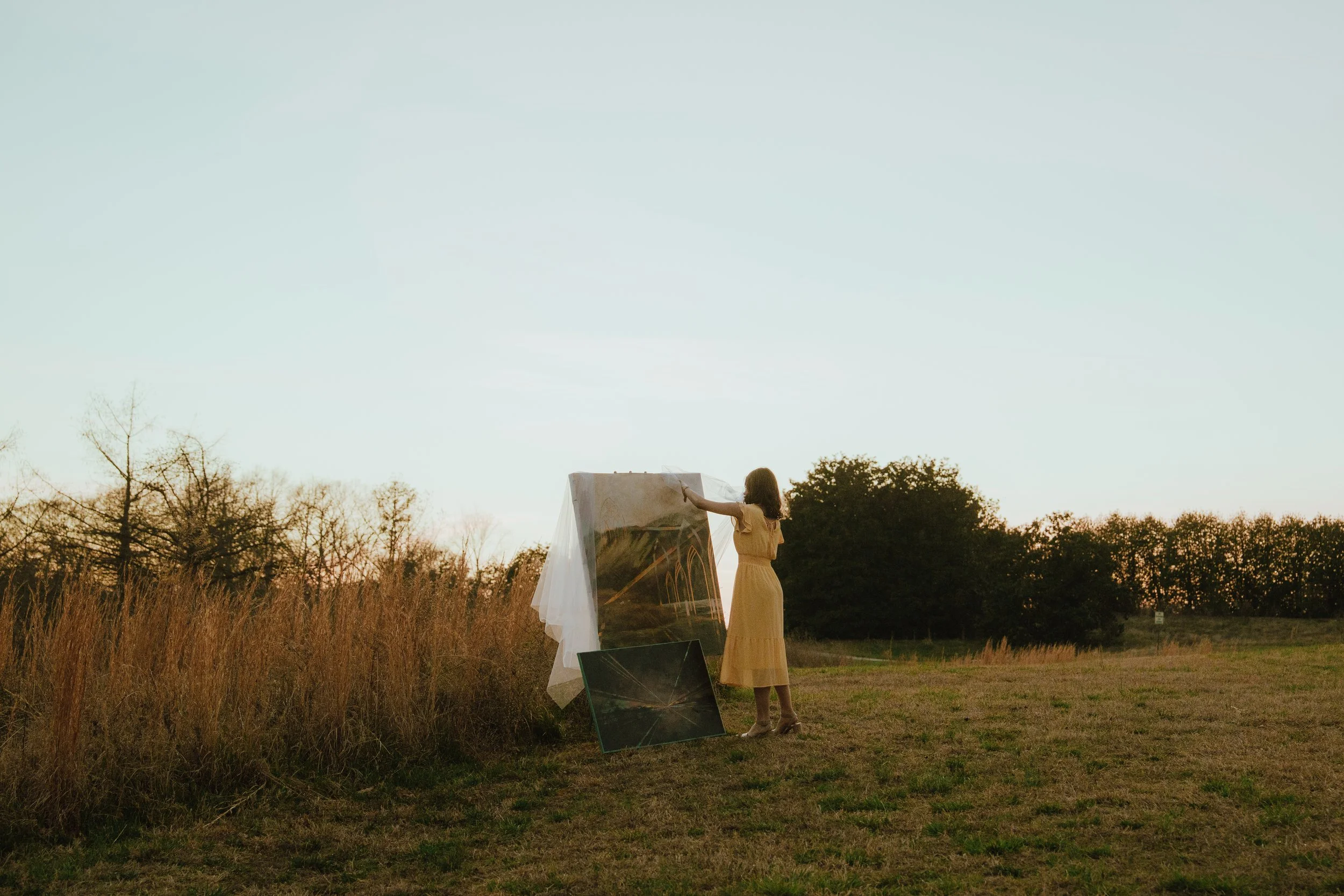
When asked about what kinds of art she produces, Abigail spoke about her love of creating abstract landscapes. “The unifying characteristic of my work would be its looseness,” she said. Despite this looseness, Abigail enjoys using math and shapes in her art.“I’ll include architecture or lines that create geometric shapes and forms.” When describing her creative process, she laughed a little. “It’s very experimental. So it definitely changes. It’s intuitive, I guess. I just make decisions as I go. Often, I’ll go in with a reference picture and sketches of things that go with the reference. Then I will piece them together from there.”
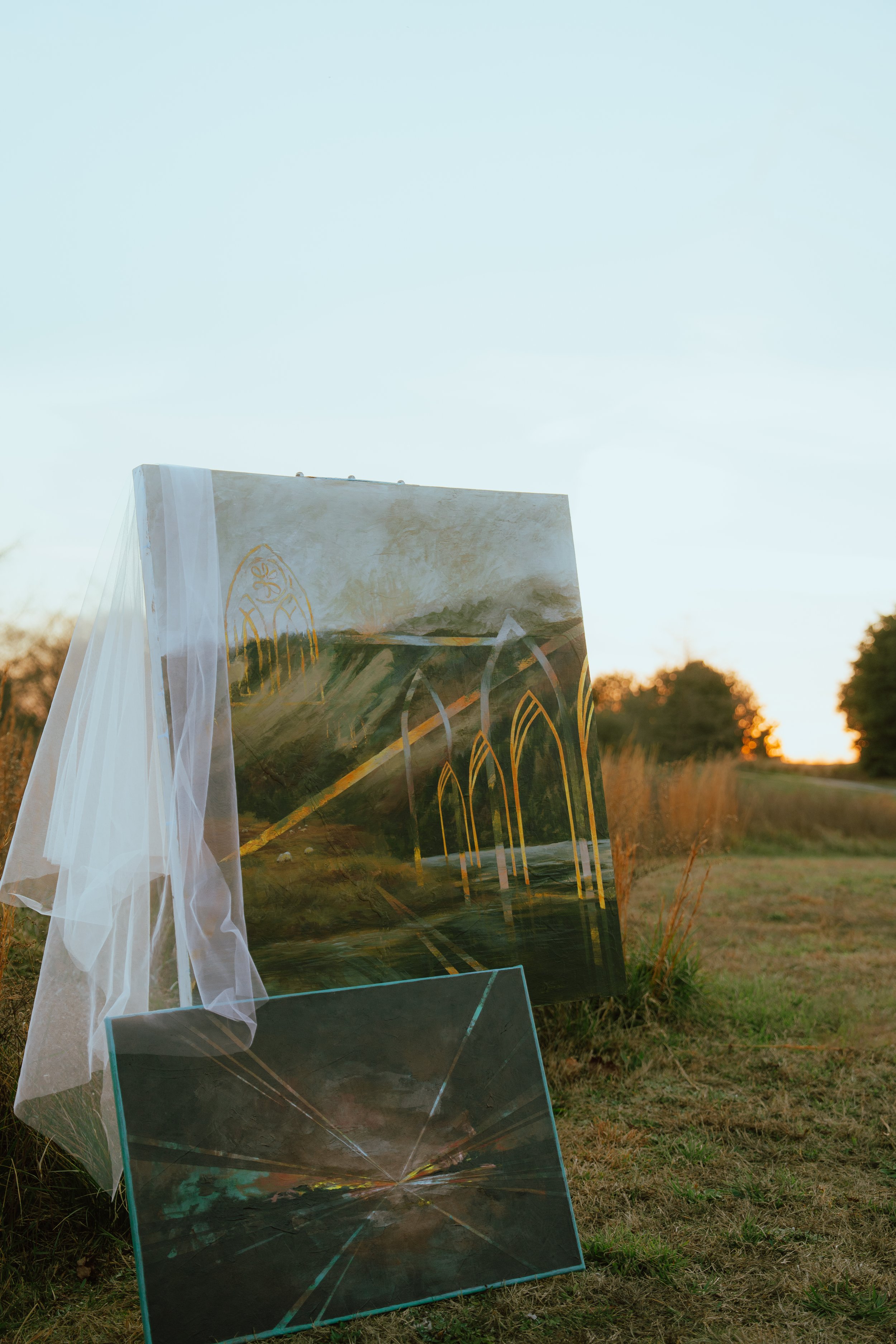
Outside of art, Abigail has many passions and hobbies. She enjoys things such as the Anderson club pickleball team, reading mysteries, and cooking. She has also spent five years working at a retirement home. “It’s been great for me personally, because I’ve met a lot of great people who have lived full lives.” This retirement home was also where she held her first ever art exhibition. “They knew that I was going to school for art and had seen some of it, so they asked me if I wanted to have an exhibition. They are very supportive.”
Improving craft and discovering new ways to elevate work is something that Abigail feels passionate about. When asked about what advice she would give to artists, she stressed the importance of continually finding inspiration in other artists’ work. “When I first came to Anderson University, I wasn’t looking for inspiration from other artists. But, searching for artists online or talking to other artists and getting recommendations is great. It’s been cool to see the variety of work and possibilities of what can be done.”